
The Allure of High-Stakes Environment
The environment of a casino is deliberately crafted to enthrall and engage visitors. Bright lights, vibrant colors, and the constant sounds of rolling dice or spinning reels create an exhilarating atmosphere. This sensory overload is designed to excite the brain’s pleasure centers, fostering a thrilling escape from everyday life. As people step into a casino, they often feel a rush of adrenaline that can easily lead them to spend more time and money than initially planned, especially if they consider options like a $10 neosurf deposit casino for their gaming experience. The allure is not just in the games but in the overall sensory experience that envelops players, making them more susceptible to the thrill of gambling.
Additionally, the layout of casinos is strategically designed to disorient and entice players. With no clocks and the absence of windows, gamblers lose track of time, allowing them to immerse themselves in the experience. This manipulation of the environment plays a crucial role in facilitating longer playtimes. The lack of natural light and the deliberate arrangement of gaming machines and tables create a maze-like experience, encouraging players to explore further into the casino. By understanding this captivating atmosphere, we can delve into the psychological factors that keep players returning to casinos.
The interaction between different sensory stimuli and the emotional responses they elicit cannot be understated. The excitement of potentially winning can lead to a state of euphoria, which may override logical thinking and caution. This heightened state often makes it more difficult for individuals to recognize danger signs, such as prolonged losses or the need to stop playing. As they become more engrossed in the environment, they may ignore practical considerations, reinforcing their engagement with the casino’s offerings and making it challenging to leave the experience behind.
The Role of Cognitive Biases
Cognitive biases significantly influence gambling behavior, often leading players to make irrational decisions. One prevalent bias is the illusion of control, where gamblers believe they can influence the outcome of a game through their choices or actions. For example, players may think they can predict the outcome of a roulette wheel or influence the roll of dice. This false sense of control can lead to increased wagering and the neglect of statistical probabilities, ultimately fostering deeper gambling engagements. The more a player believes they can control the outcome, the more likely they are to gamble recklessly.
Another critical cognitive bias is the “gamblers’ fallacy,” where individuals mistakenly believe that past events affect future outcomes. For instance, a player may assume that a particular slot machine is “due” for a win after a series of losses. Such misconceptions can lead to poor decision-making and may compel individuals to continue gambling in the hopes of recouping previous losses. This perpetual cycle of betting and believing in luck reinforces the behavior despite adverse results, creating a dangerous loop that can be difficult to escape.

Moreover, confirmation bias can further entrench gambling habits. Players often seek out information or experiences that confirm their pre-existing beliefs about winning while ignoring evidence against them. For instance, they may remember their wins vividly while dismissing or forgetting their losses. By focusing on their wins and downplaying their losses, they create a skewed perception of their skill and luck, perpetuating their gambling activities. Understanding these cognitive biases is vital in addressing responsible gambling practices and mitigating harmful behaviors, as awareness of these biases can empower players to make more informed decisions.
The Emotional Rollercoaster of Gambling
The emotional journey of a gambler often mirrors a rollercoaster ride, filled with highs and lows that can profoundly affect their psyche. Winning generates feelings of joy and triumph, while losses can lead to frustration and despair. This emotional volatility creates a powerful addiction cycle, as the thrill of winning often overshadows the discomfort of losing. Gamblers may become hooked on the high they experience during wins, chasing that feeling even if it leads to detrimental outcomes, such as significant financial losses or strained relationships.
Furthermore, gambling can serve as a coping mechanism for stress or anxiety. For some, the excitement of risking money can provide a temporary escape from real-life challenges, making it an appealing option for those seeking solace. The rush from gambling can become a substitute for addressing underlying emotional issues, leading to a reliance on the activity for emotional relief. This dependency can result in a downward spiral, where individuals gamble not for enjoyment but as a means to escape their problems, perpetuating a cycle of addiction.
Ultimately, the intricate relationship between emotions and gambling behavior plays a crucial role in understanding why individuals return to casinos despite the potential for significant financial losses. The emotional highs associated with victories can create a compelling draw, while the lows can lead to a desperate need to chase those highs again. Recognizing this emotional connection is vital for developing effective gambling awareness programs that address the complex layers of addiction, with the aim of fostering a healthier relationship with gambling activities and encouraging individuals to seek help when needed.
The Influence of Social Aspects
Social factors also play a pivotal role in shaping the gambling experience, whether through peer pressure or the camaraderie found in shared activities. Many individuals are drawn to casinos for the communal experience, where they can bond with friends or meet new people in an electrifying setting. This social aspect encourages participation and can diminish the perception of risk, as the excitement is often amplified in a group context. The shared thrill of a win can create a sense of belonging, encouraging individuals to gamble more than they might if they were alone.
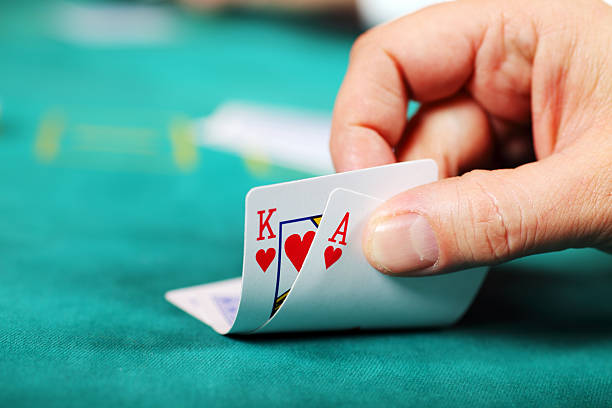
In many cases, the presence of friends can enhance gambling behaviors, leading to increased spending and heightened stakes. Research has shown that socializing while gambling can diminish individual perceptions of loss, further encouraging players to engage in riskier behaviors. The presence of others can create an environment where reckless betting seems more acceptable, as the influence of peers can overshadow personal caution. This group dynamic can be particularly potent in settings like casinos, where the festive atmosphere encourages a carefree approach to gambling.
Moreover, casinos often host events and promotions that attract social gatherings, creating an atmosphere where individuals feel compelled to participate. These events can include tournaments, themed nights, or live entertainment, all designed to enhance the social experience. By fostering a sense of belonging and community, these establishments can significantly influence gamblers’ behaviors, making them more likely to return. The integration of social dynamics into the gambling environment reveals another layer of complexity in understanding why individuals are drawn to these venues repeatedly, as the social bonding experiences often outweigh rational considerations of risk.
Responsible Gambling and Resources
Understanding the psychological factors influencing gambling is essential for promoting responsible gambling practices. Players must recognize the emotional, cognitive, and social elements that contribute to their behavior, as awareness can empower them to make informed decisions. Many gaming establishments are increasingly promoting responsible gambling initiatives to educate players and provide resources for those who may be struggling. These initiatives aim to create environments where players feel supported and informed about the risks associated with gambling.
Resources such as self-exclusion programs, counseling services, and informative materials are available to support individuals as they navigate their gambling experiences. Establishments are beginning to recognize their role in promoting player safety, offering tools that help individuals set limits on their gambling activities. By fostering environments where players feel safe discussing their concerns, casinos can play a crucial role in addressing the negative impacts of gambling. Awareness campaigns focusing on the signs of problem gambling can assist individuals in recognizing when their behaviors may be indicative of deeper issues.
Ultimately, the gambling industry bears a responsibility to advocate for player safety and well-being. By understanding the psychology behind gambling, both players and establishments can work together to create a healthier and more responsible gaming environment. The emphasis on education and support can contribute to reducing the stigma associated with problem gambling, encouraging individuals to seek help when needed. As awareness grows, it is vital for individuals to acknowledge the risks and seek assistance to foster a balanced approach to their gambling habits, ensuring their experiences remain enjoyable and safe.